Ukraine Exhausts Patriot Interceptors Amid Tensions with Washington

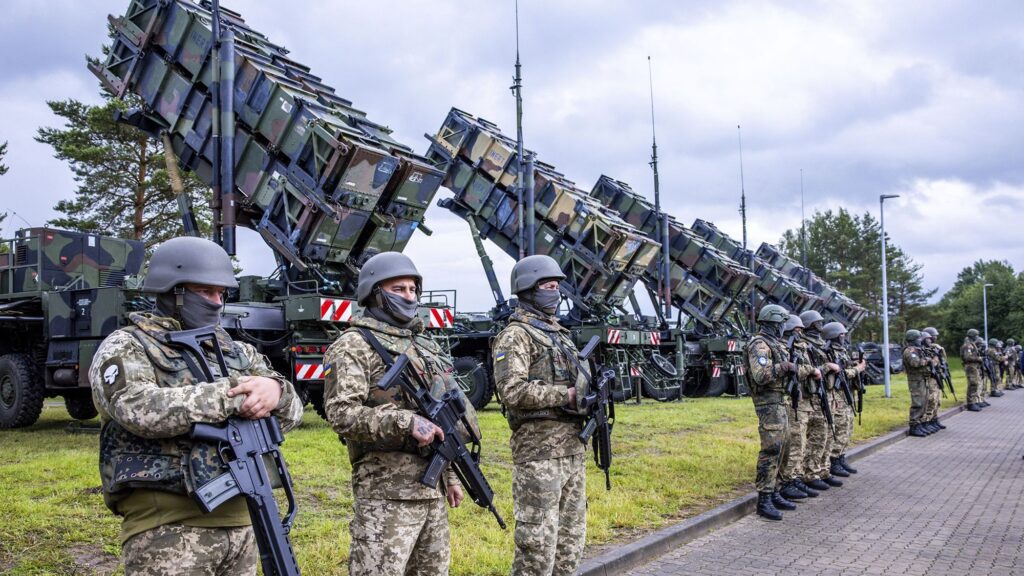
Ukraine has officially exhausted its supply of interceptor missiles for the US-provided Patriot air defense systems, a critical shortage that has left the country significantly exposed to Russian ballistic missile strikes. A source familiar with the situation confirmed that the scarcity of these interceptors—which are among the few systems capable of neutralizing ballistic threats—was starkly evident during recent attacks. During the most recent strike, almost all incoming ballistic missiles evaded interception due to the lack of available defense munitions. As other countries have burned through their stockpiles or sought to shore up their own defense systems amid the war in Iran, but the interceptors are both expensive and in short supply globally.
The impact of this shortage was felt heavily during a recent assault that targeted energy infrastructure in Kharkiv and three power plants in Kyiv. The attacks resulted in four fatalities and left 25 others injured. While the Ukrainian Air Force reported intercepting four ballistic missiles during the event, the inability to stop the full barrage highlights the depletion of remaining defensive stockpiles. This situation is particularly critical as President Volodymyr Zelensky has been vocally advocating for more supplies for months, noting in August that Ukraine possessed only a fraction of the interceptors needed for adequate protection. Four people in Kyiv were killed and 25 injured on that day.
This defense crisis is unfolding alongside a deteriorating relationship between President Zelensky and President Donald Trump. Tensions have intensified following a controversial White House agreement to import Russian diesel, as well as mounting pressure from Washington for Kyiv to cease its strikes against Russian energy infrastructure. Zelensky has expressed feelings of betrayal regarding the deal, vowing that Ukraine will persist in targeting Russian refineries despite these demands. Reports suggest the US has warned that it might suspend intelligence sharing and weapons purchases—including vital Patriot components—through the Prioritized Ukraine Requirements List (PURL) if Kyiv does not comply with the pause on energy strikes. The stark development comes amid an increasingly bitter public feud between US President Donald Trump and his Ukrainian counterpart Volodymyr Zelensky. It’s not thought to be the first time Ukraine has fully run out of Patriot interceptors and Zelensky has been publicly vocal about his constant struggle to obtain more stocks. Became the first media outlet to be given access to a Patriot system on Ukrainian territory, and at the time Ukrainian officials revealed the country had pretty much run out of interceptors, in mid-August. According to zelensky, In August that his days are spent on “millions” of phone calls with allies, working to make deals for more Patriots. The Ukrainian president struck a more hopeful tone – claiming that the country “will receive a license to manufacture Patriot missiles” from the United States, a month later. And a license never materialized, but US President Donald Trump ultimately declined to say whether he agreed to that. He pleaded once again for more stocks, saying: “The American president has all the effective and necessary tools to bring peace closer through strength, justice, and pressure on the aggressor, in a public statement on Wednesday. Ahead of the US midterm elections, Trump has increasingly blamed the rise in global diesel prices on the Ukraine-Russia war, despite the Iran war playing a more significant role in the fuel price spikes. Including communications from the US military directly to Ukrainian commanders, the warnings from the State Department and the Pentagon were sent over the weekend to officials in Ukraine and Europe. Has reached out to the Pentagon for comment.
Further complicating the military environment, Ukrainian units have faced significant technical disruptions to the military-grade Starshield version of Elon Musk’s Starlink service. These outages have hindered logistics, strike operations, and the interception of drone attacks. By Thursday, operations had partially recovered, though officials noted that high-speed military ordnance still faced connectivity hurdles. While SpaceX indicated that Starshield management resides with the US government, a senior American official denied that the White House had requested any such restrictions. He added that “when he asked for more air defenses the American response was to weaken Starlink’s service.”. According to ukrainian authorities, They were caught off-guard this week by a throttling of Starshield, which disrupted military operations, logistics and the interception of jet-powered drone attacks. According to a Ukrainian drone commander who spoke to on the condition of anonymity, His unit experienced restrictions on Starlink operations on Wednesday, which prevented some strike drones from reaching their targets.
President Zelensky noted on Thursday that Russia had deployed over 850 attack drones since midnight, characterizing the defensive challenges as being artificially throttled. Denys Sienik, Ukraine’s top diplomat in Washington, acknowledged that Starshield functionality has improved but emphasized that services have not yet returned to full capacity. Meanwhile, the Ukrainian Defense Ministry continues to engage with all parties to determine the specific circumstances behind the recent service interruptions, as the country struggles to maintain its defensive capabilities amid international political friction. Svitlana Vlasova, Nick Paton Walsh, Jim Sciutto and Jennifer Hansler contributed to this report.