Saudi Arabia Postpones Davos in the Desert Due to

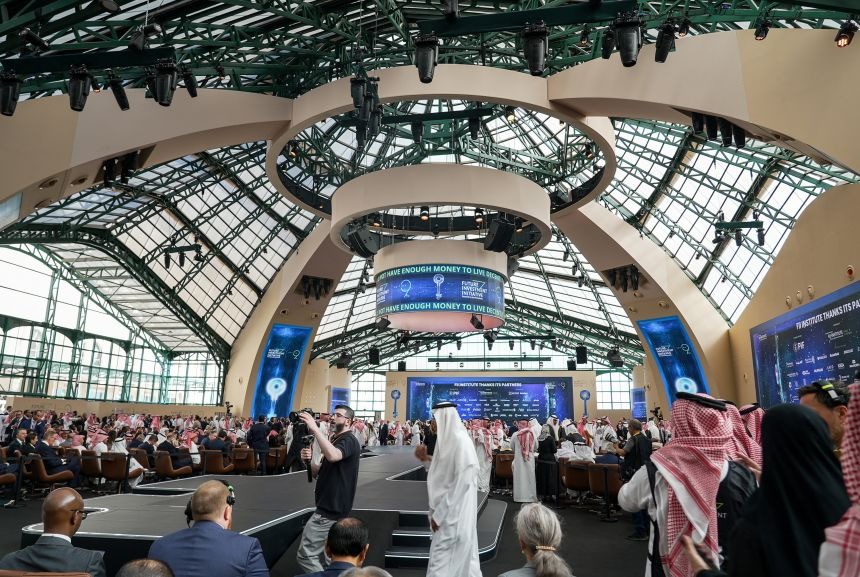
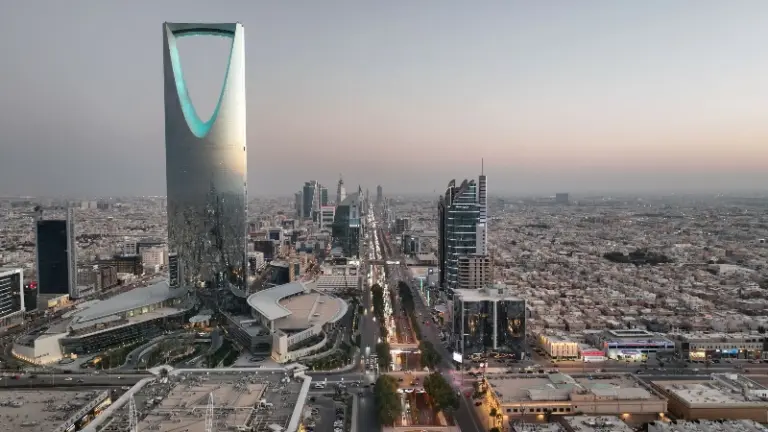
Saudi Arabia has officially postponed its premier financial event, the Future Investment Initiative, which was set to take place in Riyadh from October 26 to 29. The high-profile conference, commonly referred to as Davos in the Desert, is now scheduled to be held in 2027, with the specific timing to be announced in the near future. The FII Institute, which manages the summit, stated that the decision was necessary to ensure the milestone tenth edition of the event achieves the expected level of quality, scale, and impact for its participants. Organizers have confirmed that all existing registrations and partnership agreements will remain valid. Known as “Davos in the Desert,” the Future Investment Initiative will now take place on an undisclosed date in 2027, according to a statement from the conference shared via email with Becky Anderson. According to organizers, The new dates in 2027 for the event “will be communicated very soon” and all registrations and partnerships “remain valid. Normally, the annual event showcases Saudi Arabia’s financial muscle and growing role on the world stage.
The move follows a wave of military hostilities involving Iran-backed Houthi militants, including a lethal missile strike against the King Khalid International Airport earlier this month. This ongoing conflict, characterized by daily exchanges of drone and missile fire targeting energy infrastructure and strategic locations, has prompted several nations to release travel warnings. The escalation has created a volatile environment, with some corporate boards expressing concern over the safety of sending top executives into the region. The list of speakers originally slated for the event included prominent Wall Street figures, such as BlackRock CEO Larry Fink, JPMorgan Chase CEO Jamie Dimon, Citigroup CEO Jane Fraser, and Goldman Sachs CEO David Solomon.
This postponement represents a significant challenge for the Saudi government’s broader economic objectives, which focus on diversifying the nation’s revenue streams away from a heavy reliance on oil and natural gas. For decades, the kingdom has invested substantial effort into positioning itself as a secure hub for global Western capital. However, the current security climate threatens these long-term initiatives and introduces a period of instability that could negatively impact broader regional investment confidence. While the conference is designed to demonstrate Saudi Arabia’s financial influence, the security risks have forced a shift in these plans, highlighting the practical difficulties of maintaining such high-level international engagement during a period of open conflict.