Pope Leo XIV Undergoes Surgery for Early-Stage Lung Cancer

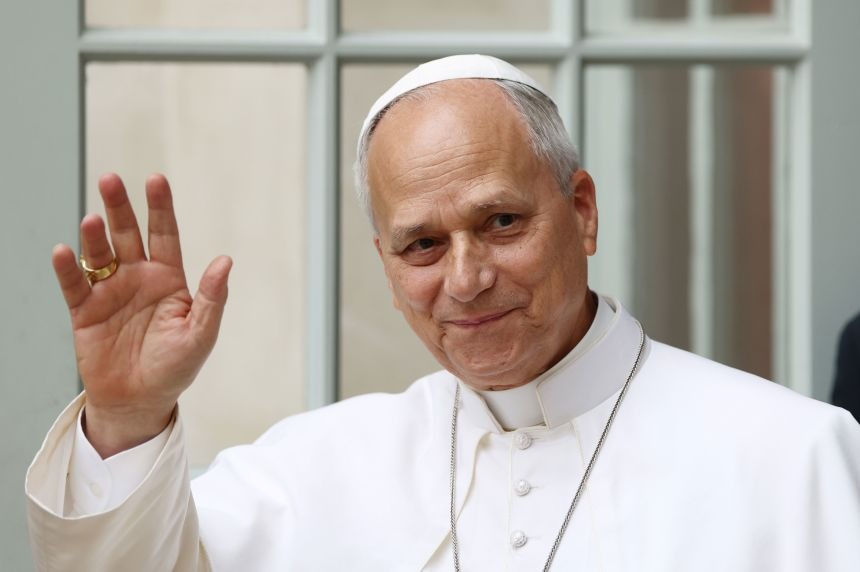
Pope Leo XIV underwent surgery on Tuesday at the Agostino Gemelli University Policlinic in Rome, where medical staff successfully removed a cancerous nodule. The procedure, which involved the removal of the nodule and the lower lobe of the pontiff’s right lung, was performed to address pulmonary adenocarcinoma—the most prevalent form of lung cancer. Following the surgery, Vatican officials provided an update on Wednesday morning, confirming that the Pope experienced a quiet night during his recovery.
Pulmonary adenocarcinoma, which accounts for approximately 40% of all lung cancer cases, is a type of non-small cell lung cancer that generally exhibits slower growth and spread compared to other variations. Because it is often detected only in advanced stages, it remains a primary cause of cancer-related mortality. However, the Pope had publicly shared on Sunday that doctors identified the growth while it was at a very early stage, a factor that medical experts believe significantly improves his long-term outlook. Which is larger, has three sections called lobes, and the left has two; doctors will often remove the lobe the growth is found in to get rid of the tumor and to improve chances of a cure, the right lung. The body eventually adapts to compensate for this loss of function. It’s not always clear what causes this type of lung cancer.
Dr. Juanita Mora, national medical spokesperson for the American Lung Association, noted that the localized nature of the cancer and the decision to proceed with surgical removal work in the Pope’s favor. While noting that the 71-year-old pontiff is expected to have a good prognosis, Mora cautioned that his recovery period may be slightly extended as his lungs adapt to the lobectomy. He will likely face initial challenges with breathing capacity until his left lung compensates for the reduction. To aid his recovery, the Pope is expected to participate in respiratory therapy and must be diligent about preventing infections, as his compromised lung capacity makes him more vulnerable to respiratory illnesses. “So obviously, a lot of people live and can fully do everything in terms of function and capacity, even with a lobectomy.”.
Dr. Mora emphasized that the Pope’s overall health, including his active lifestyle and lack of smoking history, serves as a significant advantage. His surgical path mirrors that of his predecessor, Pope Francis, who also underwent a lobectomy earlier in his life following a severe tuberculosis case. Although the specific cause of the Pope’s cancer remains uncertain, researchers note that while smoking is a primary risk factor, other contributors include radon gas exposure and environmental particle pollution. Interestingly, adenocarcinoma is frequently observed in patients who have never smoked, as well as in women and younger demographics. Including having been previously known to have a personal trainer when he served as a cardinal, pope Leo is not known to have been a smoker and has made efforts to live a healthy lifestyle.
Family health history may also play a role, as the Pope has faced cancer-related losses among his immediate family. His mother, Mildred, passed away from cancer in 1990, and his father, Louis, died from colon cancer and heart disease in 1997. Additionally, the Pope’s eldest brother, Louis Prevost, is currently undergoing treatment for an illness first diagnosed in 2017. Regarding his own medical history, the Pope was previously hospitalized for typhoid fever while in Peru in 1985, though he has otherwise maintained a reputation for fitness.
Moving forward, the medical team will evaluate samples from the surrounding lymph nodes and lung tissue to accurately stage the cancer. This analysis, combined with upcoming genetic and biomarker testing, will determine if further interventions such as chemotherapy or radiation are required. While noting that biomarker testing has revolutionized treatment outcomes, Dr. Mora highlighted a disparity in care, as only 15 U.S. states mandate that insurers cover such diagnostic testing. She expressed optimism that the Pope’s case may be an isolated incident with an 80% to 98% survival rate following successful surgery, but reiterated that the final clinical decisions depend on the results of the next few days of testing. These results will also decide whether the Pope can proceed with his scheduled trip to Latin America next month.