Eurovision Expands to Asia With Bangkok Final Event

The Eurovision Song Contest is making its debut in Asia, with 11 countries scheduled to participate in a single final event in Bangkok on November 14. Organizers view this competition as the first of many planned regional editions. The competing nations include Bhutan, Bangladesh, Cambodia, Laos, Malaysia, Mongolia, Nepal, the Philippines, South Korea, Thailand, and Vietnam. Will the contest’s gloriously camp traditions survive the journey across to Asia. And which ones aren’t, which countries are taking part. While close linguistic and cultural ties exist between south-east Asian nations such as Thailand and Laos, mutual support could come from Himalayan neighbours Nepal and Bhutan.
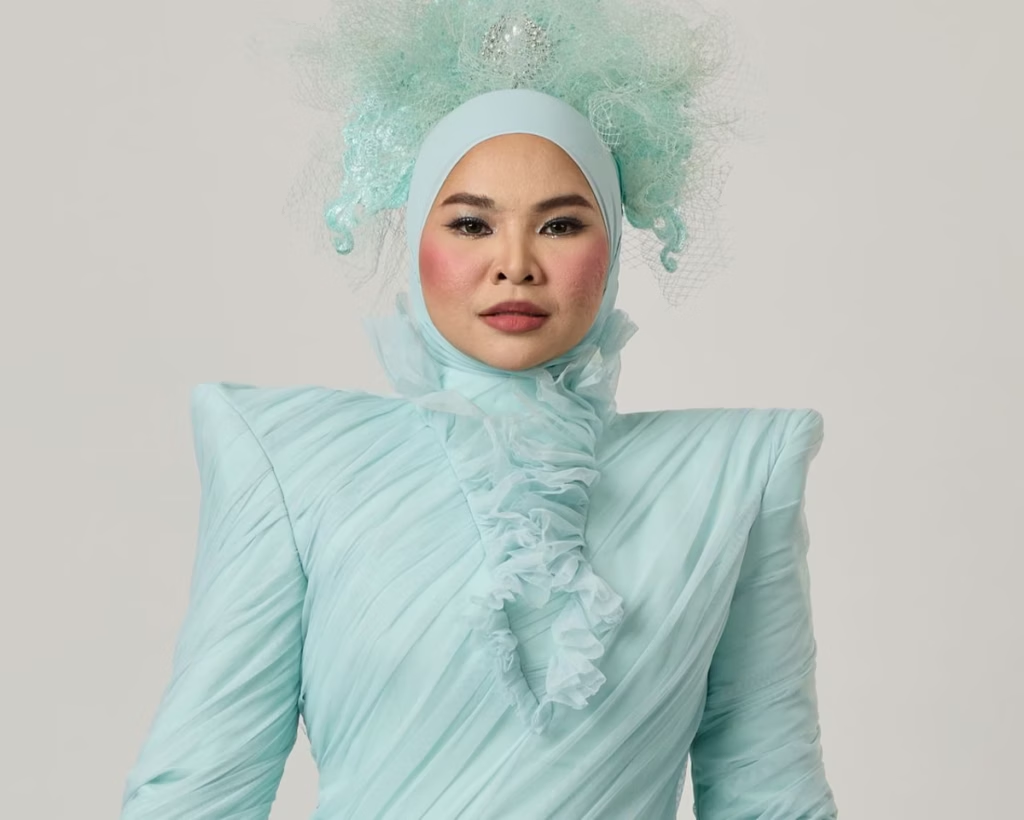
Executive producer Assaf Blecher stated that while negotiations with China and Japan missed the initial production deadline, he remains “very, very optimistic” regarding their participation in future contests. All 11 acts for the inaugural show have already been selected, featuring prominent domestic stars such as Malaysia’s Aina Abdul and Vietnam’s Tóc Tiên. Including some who are already big names at home, including Vietnam’s Tóc Tiên and Malaysia’s Aina Abdul, all 11 acts have been chosen.
The competition will mirror the structure of the European original, with each country presenting a live performance lasting no more than three minutes and involving up to six artists.
The European Broadcasting Union (EBU), which retains ownership of the Eurovision brand, oversees song and lyric approval, maintaining a strict ban on political messaging.
A significant change from the European format is that the winner will not automatically secure hosting rights for the following year, as organizers acknowledge the infrastructure challenges facing smaller nations. The winner receives a trophy and no prize money. The EBU rule barring winners in conflict from hosting does not apply in Asia, Goodman says, because hosting does not pass to the winner.
Voting procedures will allow participation from viewers in competing countries, though they are prohibited from voting for their own national act. Votes from non-competing territories will be aggregated into a “12th territory.” Participants can cast eight free votes via QR codes or the official website, with the option to purchase an additional 10 votes at varying regional price points. The final will be streamed on YouTube and broadcast through local networks in each participating nation. Will there still be tactical voting. And the public votes on the night, national juries score a dress rehearsal the night before. A further 10 votes can be bought at prices that vary by country. A question that has repeatedly caused rows in Europe, spectators may bring one each, subject to Thai law, while delegations may carry only their own national flag on stage and in the flag parade, in terms of which flags will be allowed in the arena. Bloc voting, where countries award high scores to their neighbours, is a long-running tradition in Europe.
Regional tensions, including territorial disputes in the South China Sea and water security concerns along the Mekong River, are present but are not expected to disrupt the voting process. Experts and officials remain uncertain about whether the contest will replicate the “full campy” atmosphere characteristic of its European counterpart, which has evolved over seven decades. Dave Goodman, the EBU’s head of communications, noted that viewers will be encouraged to distribute their votes broadly. Blecher feels it may not yet be the same “full campy” experience as this year’s competition in Europe but noted that the latter had evolved over 70 years. However, host Thailand may not want to rely on votes from neighbouring Cambodia, given the recent fighting on their shared border where a territorial dispute remains unresolved.
The cultural reception of the event remains a point of discussion. PR expert Bettina Miski highlighted that the queer culture often associated with Eurovision might face a varied reception, noting that while the host nation, Thailand, has established marriage equality, other participating countries like Malaysia and Bangladesh continue to criminalize same-sex relations.
This initiative follows previous attempts to expand the format, such as the 2022 American Song Contest, which was not renewed after one series. Organizers recently issued a statement confirming the event would proceed as scheduled following reports of potential budget cuts and production adjustments. The ultimate goal, according to EBU representatives, is to ensure the long-term sustainability of the original Eurovision brand through global expansion.