Debate Erupts Over Future of Burned Nazi Eagle’s Nest

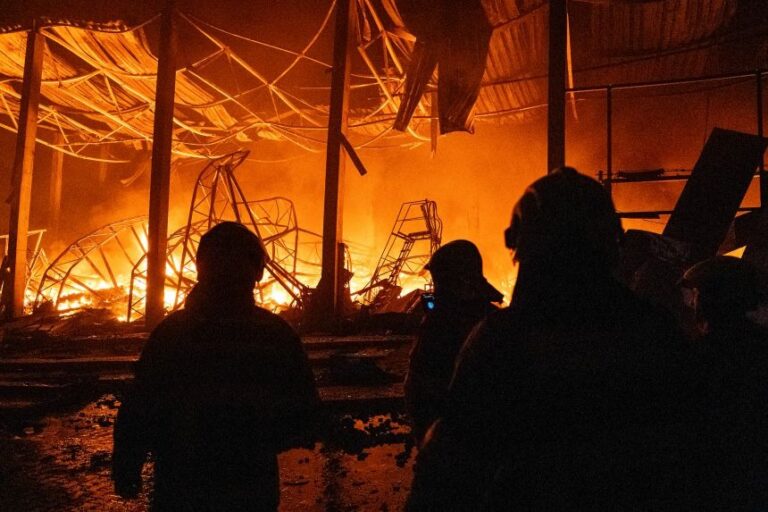
The fire-damaged remains of the Kehlsteinhaus, a mountain retreat historically known as the Eagle’s Nest, have become the center of a heated national debate in Germany. The site, situated atop a high ridge in the Bavarian Alps, was largely destroyed in an October 23 fire that is now under investigation by local authorities. The Eagle’s Nest had been a popular tourist attraction, owned by the state of Bavaria and operating for many years as a restaurant, before it was burned down during the evening of 23 October.
Police have taken a 33-year-old man with a documented history of mental illness into custody at a secure psychiatric facility on suspicion of arson. While the Kehlsteinhaus suffered extensive damage, the nearby Obersalzberg Documentation Centre remained unharmed by the blaze.
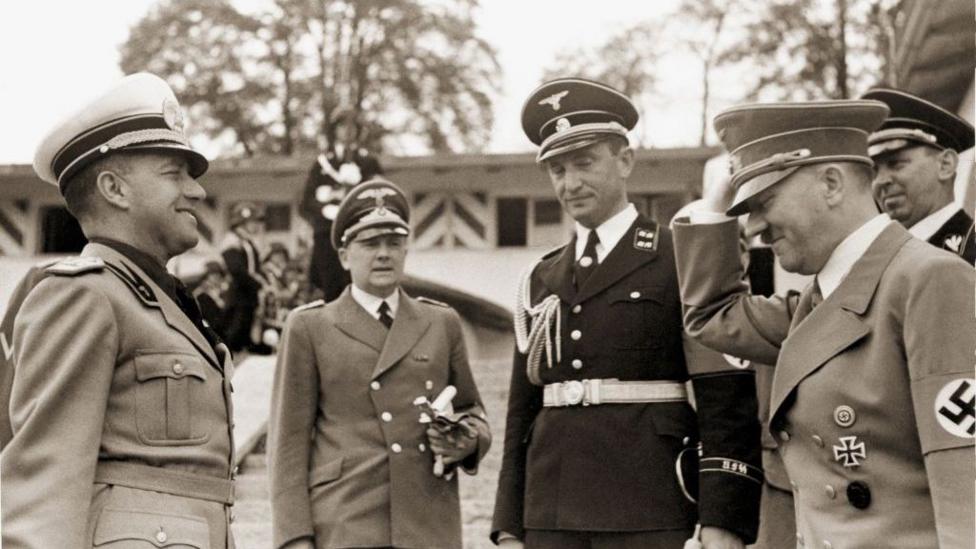
Built by the Nazis in 1938, the structure once served as a getaway for Adolf Hitler and high-ranking party officials. In the decades following World War Two, it was classified as a historical monument and eventually transformed into a major tourist attraction operated by the state of Bavaria.
The current destruction has reignited tensions regarding the proper handling of Nazi-era architecture.
Some advocates argue for total abandonment, suggesting the site should be reclaimed by nature to prevent its potential use as a pilgrimage destination for the far-right. Others favor partial or full reconstruction to maintain the site’s educational utility. And some believe it should be completely destroyed, the site returned to nature and all memory of its Nazi past forgotten, last month it was gutted by fire in a suspected arson attack. Wary of the risk of turning it into a site for Neo-Nazi pilgrimage at a time when Germany is witnessing the resurgence of the far-right, but others want it either partially or completely rebuilt.
Isabel Heinemann, a professor of contemporary history at Munich’s Ludwig-Maximilians-Universität, emphasized that Germany carries an “everlasting responsibility” to confront its history. However, she warned that rebuilding the structure risks reinstating “highly ideologised architecture” that may complicate efforts to address the past.
Before the October fire, the Eagle’s Nest welcomed tens of thousands of visitors every season, providing significant economic support to the surrounding region. Tourists would typically reach the facility at 1,834 meters above sea level by bus before taking a historic brass and mirror-paneled elevator through the mountain. Once there, they could eat sausages in the beer garden on the Obersalzberg at 1,834m (6,017ft) above sea level, overlooking the Alps. Visitors would take a bus and then ride the original brass and mirror-panelled lift through the mountain to the Kehlsteinhaus to savour the magnificent views above the town of Berchtesgaden.
The site had previously sought to address its dark history through a photo exhibit installed approximately 15 years ago. Furthermore, in the 1990s, the Obersalzberg Documentation Centre was established nearby to provide deeper context regarding Nazi crimes.
Unlike the Berghof—Hitler’s summer residence, which was bombed during the war and subsequently demolished in 1952—the Kehlsteinhaus had remained standing for decades. As authorities continue their investigation into the recent fire, the future of this controversial relic remains uncertain.