Independent MP Helen Haines Critically Injured in Vehicle Attack

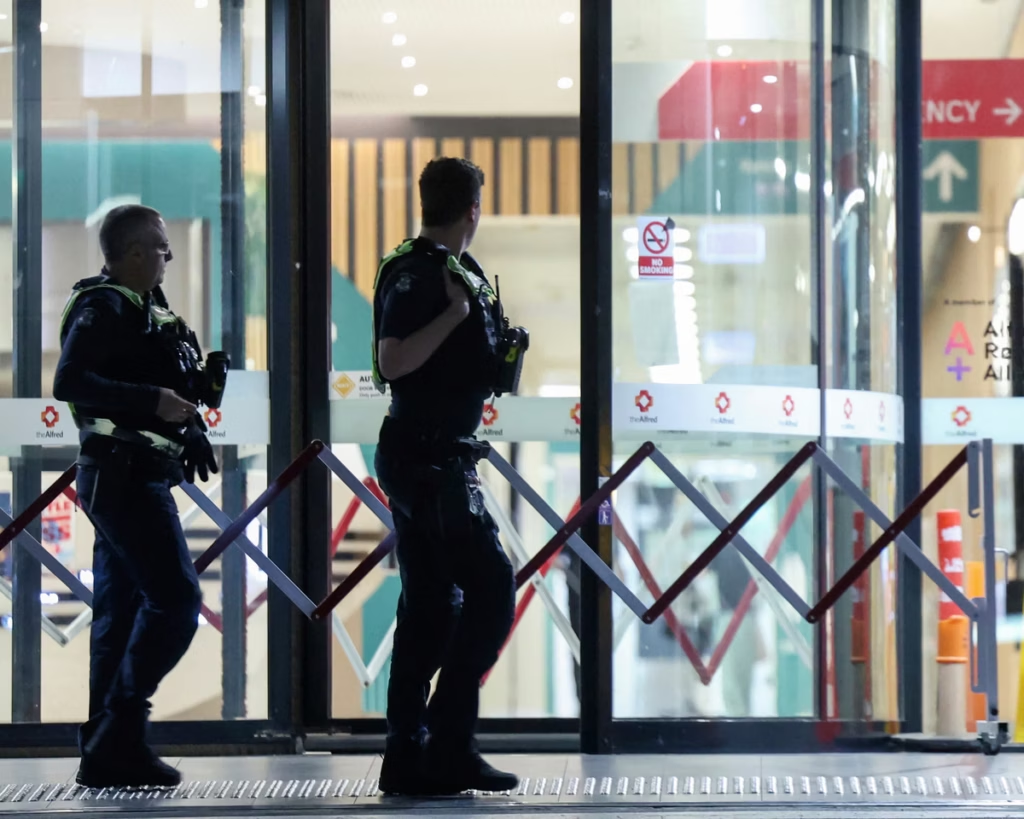
Independent MP Helen Haines remains in critical condition following an alleged attack outside her electorate office in Wangaratta on Monday afternoon. The incident occurred at approximately 3:35 p.m. when she was unloading her vehicle. Police are investigating reports that a man, who is believed to be known to authorities, struck the politician with his car after allegedly performing a U-turn upon spotting her. But the alleged attack on Haines shows something rapidly being lost in our politics. The risk to individuals – especially women in politics – has not been taken seriously enough.
Earlier that morning, Haines had been participating in a local dog park opening in Mansfield, moving freely through her Indi electorate while engaging with constituents. The sudden escalation from a routine public appearance to a life-threatening assault has sparked a national conversation regarding the security of Australian elected officials. For years, federal politicians have had an ominous sense that something was shifting in Australia’s national life.
Prime Minister Anthony Albanese addressed the incident, expressing grave concern and confirming that the government would rely on expert security advice moving forward.
He acknowledged that an increase in protection measures for politicians now seems inevitable.
Along with Home Affairs Minister Tony Burke, the Prime Minister revealed that official records showed more than 1,067 threats directed at politicians during the last financial year, a period that has seen a growing number of office holders require around-the-clock personal security. Whether security services could have done more will be considered in the weeks and months to come. More needs to be done to stop a normalisation of violence and gratuitous insults.
The threat level has been a subject of long-standing concern for Australian intelligence officials. ASIO director general Mike Burgess warned in 2025 that the indicators for political violence were already flashing red, citing the impact of pandemic-era lockdowns and increasingly toxic social media discourse. A formal review conducted last year highlighted that 85% of politicians reported experiencing high levels of abuse or violent behavior, including intimidation, spitting, and verbal threats. But a dark tide of threats and abuse has been rising. And the souring of social media discourse, the Asio director general, Mike Burgess, cautioned in 2025 that the warning light for political violence was “already flashing red”, amid threats stemming from Covid-19 lockdowns. With 85% reporting high levels of abusive or violent behaviour from constituents, a review of politicians’ offices last year found a sharp rise in politically motivated hostility. The shift in sentiment can no longer be dismissed as social media noise or harmless comment.
Precedent for tightened security has often been drawn from international incidents, such as the 2014 shooting at the Canadian parliament, which resulted in the fortification of Parliament House. Locally, the atmosphere has already shifted, with many MPs no longer publicizing their schedules in advance and some choosing to keep their electorate offices closed for extended periods. Not least because local settings are no longer free from danger, what happened will urgently change how MPs assess their personal safety. Including the motivation of the alleged attacker, there is much we don’t know about what has happened. The Abbott government built a fence around Parliament House, when a gunman opened fire at the Canadian parliament in 2014. Along with incidents overseas such as the alleged murder of British politician Ann Widdecombe, december’s antisemitic massacre at Bondi was only the latest wake-up call.
The Prime Minister himself has faced heightened security risks, including an evacuation from The Lodge in February and the installation of blast-resistant infrastructure at his Sydney residence. Officials noted that the normalization of violent rhetoric, often imported from overseas, has contributed to a dangerous environment where public figures are frequently targeted by calls for physical harm.
The assault on Haines has prompted widespread condemnation and intensified calls for accountability. Experts and colleagues argue that political discourse—specifically the incitement of hatred online and verbal attacks—must be curbed to prevent further violence. As Haines undergoes treatment, authorities face mounting pressure to address the underlying culture of hostility that has plagued the nation’s political landscape.