US-Iran Conflict Disrupts Vital Global Oil Trade Routes

The ongoing conflict between the United States and Iran has profoundly destabilized global oil trade by choking off access to two essential maritime corridors: the Strait of Hormuz and the Bab al-Mandeb Strait. In the Strait of Hormuz, Iran has intensified its campaign against tankers, resulting in 12 reported attacks on vessels in the last week alone, as monitored by the United Kingdom Maritime Trade Operations. These hostilities, which recently included the sinking of two cargo ships after strikes by unidentified projectiles, have restricted oil movement and kept crude prices consistently above $100 per barrel. Curtailing the volume of oil exiting the region and keeping global crude prices north of $100 a barrel, iran is now stepping up attacks on tankers transiting Hormuz and the Persian Gulf.
Market analysts attribute this surge in aggression to Iran’s reaction against the successful transit of large volumes of oil through Hormuz. The US military is currently managing an operation to secure these shipments by assisting clandestine transits, where tankers disable transponders to move oil toward the Gulf of Oman. While these efforts continue, Iran faces ongoing difficulties in navigating its own fleet through the region due to a sustained US naval blockade.
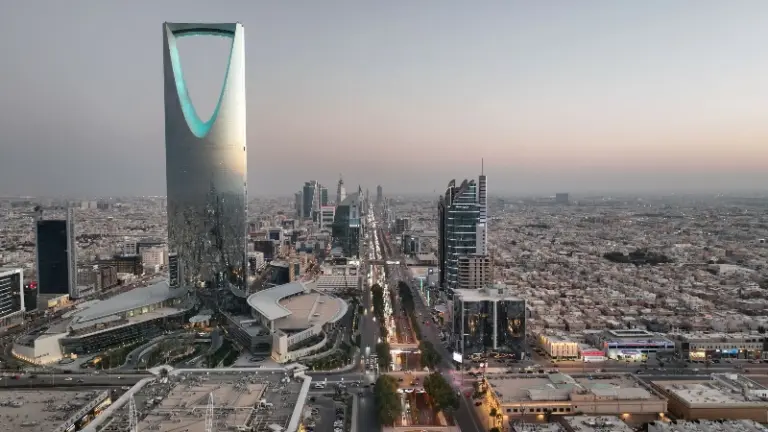
The regional instability has also spread to Yemen, where Houthi militants—backed by Iran—have engaged in conflicts with Saudi Arabia. These forces have specifically targeted Saudi oil tankers within the Bab al-Mandeb Strait and launched lethal strikes on international airport infrastructure in Riyadh. Richard Bronze of Energy Aspects noted that before the conflict, the Saudi port of Yanbu exported roughly 4.5 million barrels of crude daily, with approximately 3 million passing through Bab al-Mandeb. Those figures plummeted following the escalation of Houthi threats earlier this summer. He said, but those flows “collapsed” after the Houthi threat started escalating this summer.
Market observers warn that the situation remains precarious.
Johannes Rauball, a crude analyst at Kpler, cautioned that if the Houthi campaign expands to threaten vessels from all nations, it would deal a significant blow to the crude market, tightening supply balances and pushing prices higher. This volatility follows a drone attack last month on Saudi Arabia’s East-West pipeline, which US President Donald Trump attributed to Iran-backed militias in Iraq. Although Iran’s foreign ministry has categorically denied any involvement and the pipeline has since returned to service, the geopolitical atmosphere remains highly charged. Really tighten balances.”, it would really push prices higher again. According to US President Donald Trump, Iran was probably behind the September attack, with Iran-backed militia groups known to operate inside Iraq.
In response to these persistent threats, oil-importing nations are reevaluating their energy strategies. Georg Zachmann of the Bruegel think tank noted that countries now recognize the urgent need to “structurally reduce their oil consumption” to protect themselves from external economic shocks and “shield (them) from this increasingly uncertain world.” Major consumers, particularly in Asia, have already adapted by lowering demand, while China has offset some volatility by drawing from its national strategic petroleum reserves. But they have adapted by cutting consumption, asian countries — the biggest buyers of Saudi oil — have borne the brunt of the crisis during the war.
Despite the current severity of these disruptions, some experts believe the conflict could ultimately weaken Iran’s strategic position. Rauball noted that as the fighting drags on, Iran’s leverage diminishes because international actors are actively developing bypass routes to circumvent the blocked corridors. This ongoing adaptation, combined with the development of potential future pipeline projects, suggests that the long-term impact of the war may force a permanent shift in how Middle Eastern energy is distributed globally. Tim Lister, Aida Karimi, Jessie Yeung, Isaac Lee, Teele Rebane and David Goldman contributed reporting.