Companies exploiting welfare system by using residents as ‘cash


Panorama has uncovered evidence that private companies are generating significant profits by exploiting the Supported Exempt Accommodation (SEA) welfare system.
While the system is intended to provide shelter and essential care for vulnerable individuals, including those escaping domestic abuse or homelessness, reports indicate that many operators are prioritizing financial gain over resident welfare.
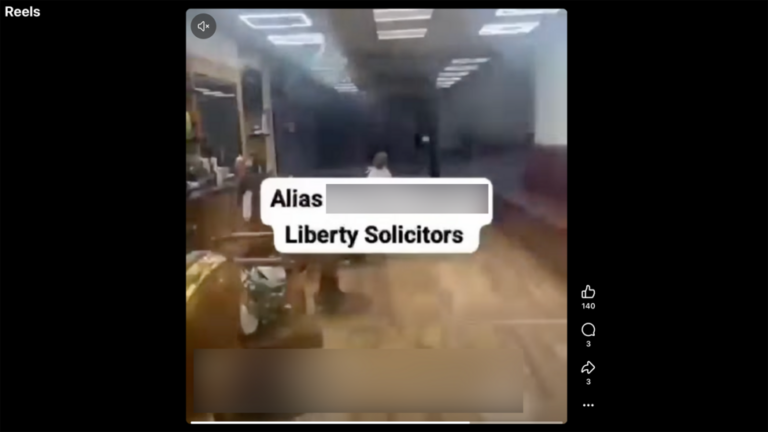
Investigations reveal that property agents are actively recruiting residents through social media platforms, employing tactics such as offering free rooms, PlayStation consoles, and even holidays to draw individuals into a taxpayer-funded cycle. Adverts on TikTok advertise “free” rooms for people on benefits.
While the SEA framework works effectively for many, charities, politicians, and residents warn that systemic exploitation is occurring, with some vulnerable people being treated as ‘cash cows’ to funnel public money into the private pockets of landlords. But charities, politicians and residents tell us parts of the system are being exploited, for many residents it works well to help them get back on their feet.
The Scope of the Supported Exempt Accommodation Crisis
- Financial Scale: The Department for Work and Pensions (DWP) paid out £410m for SEA in Birmingham alone during the last financial year.
- Regional Density: Birmingham serves as the epicentre of the sector, hosting more than 34,000 residents in SEA, significantly outstripping London, which supports roughly 22,000 despite having a population seven times larger.
- Industry Allegations: Critics, including Birmingham anti-poverty charity leader Patricia Coleman-Taylor, argue that public funds intended for support are instead siphoned into landlord accounts.
- Legislative Response: In 2023, Parliament passed a bill to introduce a new licensing scheme and a ‘fit and proper person’ test to regulate the sector more strictly.
- Government Stance: A government spokesperson stated they are actively working to implement measures to raise standards and eliminate the minority of providers exploiting the Housing Benefit system.
- Regulatory Challenges: Residents have expressed deep frustration with the pace of reform, characterizing the current situation as systemic neglect.
- Financial Irregularities: Investigations identified that one major housing provider was forced to write off £1.8m due to the actions of former directors and their affiliated companies.
Case Study: The Reality for Residents
For residents like Alysha, who sought refuge in Birmingham after fleeing a violent marriage, the reality of SEA often diverges sharply from the promises made by providers. Alysha spent time in multiple SEA properties, including a shared house managed by Second City Support Ltd. She reported that conditions deteriorated rapidly, noting an instance where residents were left without basic amenities for eight days. When she reached out for the promised support sessions and assistance with employment, she alleged that staff would frequently disconnect her calls. Alysha described the situation as a form of neglect, arguing it is shameful for providers to receive such high levels of public funding while failing to provide basic care. In Birmingham, Panorama’s investigation found. She told us, things soon started to unravel. I’d be begging [Second City] and they would just cut the call because they didn’t want to deal with it. They come, they want you to sign a paper to say, yes, Alysha’s gone to support [sessions] this week. A closer examination of Alysha’s shared house shows how taxpayers’ money is used and how companies in the system can make money in other ways too. Both Second City companies are owned by Darren Davey. According to they, There were several call-outs for a faulty boiler and remedial action was taken. A man told us he just needed Universal Credit details and National Insurance numbers, when we rang the number listed.
Structural Failures in Oversight and Delivery
The business model often involves a complex web of entities.
For example, in Alysha’s case, the registered provider was a not-for-profit entity called Dawson Housing, which received £443 per week in housing benefit from the DWP via Birmingham City Council. Dawson Housing was being paid £443 a week in housing benefit from the DWP – which it received via Birmingham City Council – for Alysha’s room and her support costs, equivalent to £23,000 a year. According to they, There were unavoidable interruptions in the provision of a dedicated support worker and that Dawson Housing accepted communications with her fell below the standard expected. The 54-year-old former charity worker found himself homeless, after a relationship breakdown.
Dawson Housing then sub-contracted the management and support delivery to Second City Support Ltd.
Simultaneously, a sister company, Second City Housing Properties, was involved in the financial acquisition and sale of the property, purchasing it for £191,000 in 2024 and selling it a year later for a substantial profit. Land Registry records show it bought the property for £191,000 in 2024 and sold it a year later for £410,000. He told Panorama that his company had spent about £150,000 on renovation and other associated costs, prior to the sale. An analysis of his companies’ records shows that over the past three financial years, Davey has paid himself £2.9m in dividends from his network of companies, as well as earning more than £900,000 in salary. According to he, When he informed the agency, it told him if he worked, he would lose his enhanced housing benefit payment and become liable for his rent of more than £1,000 a month, or need to move.
Labour MP Jess Phillips has labeled the practice of spending taxpayer money without providing adequate support as an absolute catastrophe, though she acknowledged that some providers continue to operate ethically and effectively.
Liberal Democrat Councillor Roger Harmer, leader of the Birmingham City Council, has explicitly stated that taxpayer money is being wasted, calling the current situation a scandal.
Resident Experiences and Institutional Defense
Another resident, identified as Brian, shared his experience of being accepted into supported accommodation despite not requiring the level of care provided. Brian expressed feeling trapped by the system, explaining that taking employment would jeopardize his housing eligibility, thereby tethering him to the benefit system. In response to these concerns, Nxtgen Housing stated that they had discussed various support options with Brian and that he had selected the areas he considered relevant. The provider further noted that they did not discourage him from seeking employment. Despite these defenses, Panorama discovered evidence suggesting some providers are willing to make benefit claims for individuals who do not even reside in their properties, raising further questions regarding the integrity of the sector and the efficacy of current oversight mechanisms. He added, any suggestion his earnings came entirely from supported accommodation “would be misleading”. A Facebook advert we saw had one man “looking for 7/8 ghost tenants in various houses of mine”. While some people may never know their details are being used, experts explain these individuals may offer respondents a one-off payment or a small recurring fee for using their details.