Five fatal case in Houthi Strike on Yemeni Presidential

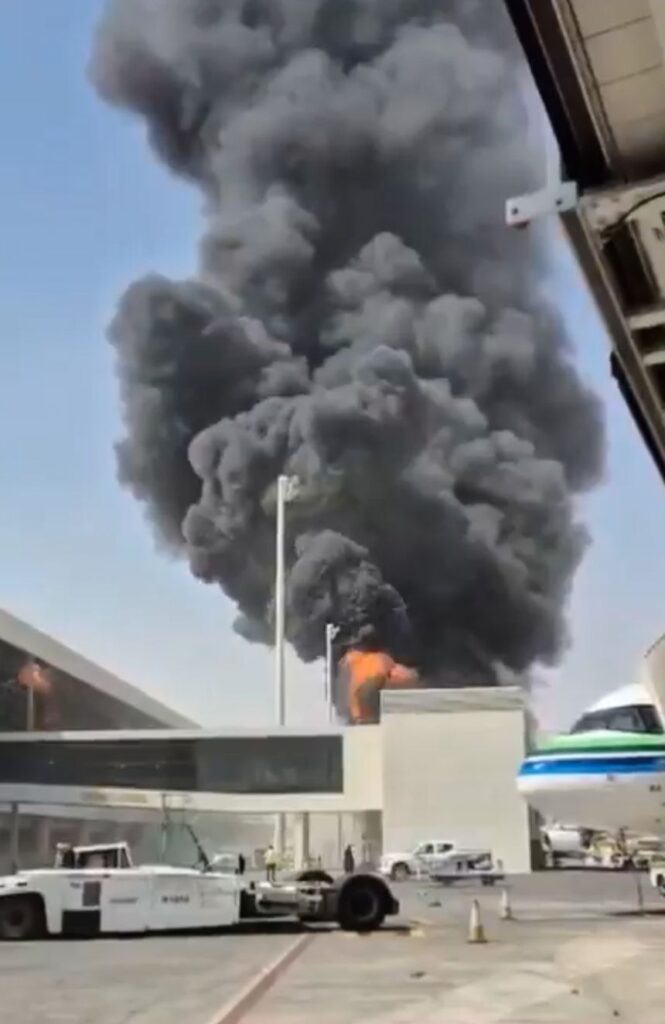
Iran-aligned Houthi rebels launched a deadly assault on the Al-Maashiq Palace in Aden on Thursday, targeting the headquarters of Yemen’s internationally recognized government. The missile and drone strike resulted in five fatalities, including two members of Prime Minister Shaya Al-Zindani’s security detail. According to the Yemeni Ministry of Health, 16 other individuals sustained injuries during the attack, which impacted the complex serving as a primary workspace for senior officials. The Yemeni government did not immediately provide additional details about the type of missiles used or the extent of the damage at the palace compound. According to diplomatic Editor Nic Robertson, who has visited the palace twice, most recently in 2019,, The complex sits on a fortified rocky outcrop overlooking Aden and is accessed via a heavily secured road. “Yemen’s future will not be held hostage by a militia that bears arms against its own people, targets the security of its neighbors, and relies on violence to compensate for the Yemeni people’s rejection of its coup-driven agenda,” it said. According to 15, Saudi airstrikes and missile attacks had killed 120 people and wounded 307 others, the Health Ministry, — claiming that women and children accounted for about 60% of the casualties.
The Houthi movement claimed responsibility for the operation, asserting they were targeting a Saudi military operations center within the compound. They described the strike as part of a strategy to hit Saudi military deployments wherever they are found, labeling any Saudi presence a legitimate target. Despite the attack, government officials, including the prime minister, remained safe. In a statement, the Cabinet affirmed that the incident would not derail the government’s ongoing campaign, known as “Yemen’s Dawn,” against the insurgent group.
The strike represents a significant escalation in the long-standing conflict that intensified after the Houthis seized control of the official capital, Sanaa, in 2014, forcing the current government to establish Aden as its de facto base. This latest provocation occurred shortly after the rebels issued renewed warnings that Saudi airports and airspace were unsafe, threatening to “respond in kind” to coalition military actions. The Houthis alleged that 65 Saudi airstrikes occurred across Yemen in the 24 hours leading up to the palace attack, claiming these resulted in significant civilian casualties, though these figures remain unverified. In an effort to contain the conflict on its southern border, saudi Arabia has since backed the government in its fight against the rebels. Cannot independently verify the figures. Earlier this week, US President Donald Trump accused the Houthis of trying to drive up oil prices and suggested Iran was encouraging the group’s latest attacks. “The Houthis are behaving very badly,” Trump wrote on Truth Social. “They’ve been silent for a long time, but now they’ve emerged again, probably at the behest of Iran … hitting Saudi Arabia, and purposefully trying to drive up Oil Prices, probably prior to the US elections.”.
In a parallel development, the Yemeni military announced the death of a senior Houthi commander, Abu al-Fadl al-Hadrami, who reportedly directed the group’s drone and ballistic missile operations. The government claimed he had received specialized training in Iran. Analysts suggest the palace strike may have been a retaliatory signal from the rebels following recent coalition efforts to target key Houthi military figures.
The Saudi-led coalition denounced the palace attack as evidence of the growing threat the Houthis pose to regional security, energy supplies, and international shipping lanes. Spokesman Maj. Gen. Turki al-Maliki stated that the rebels have gained access to advanced technologies, including suicide drones and booby-trapped boats, with support from regional actors. On the same day, coalition forces reported intercepting multiple aerial threats, including drones over Khamis Mushait and the Eastern Province, and a cruise missile over the Medina region.
While the coalition has vowed to continue its mission to degrade the rebels’ military capabilities in compliance with international humanitarian law, international concern over the conflict continues to mount. Political observers note that the repeated targeting of airports and infrastructure remains a primary method for the Houthis to exert pressure on the regional geopolitical landscape.