Afghan Families Driven to Sell Young Daughters Amid Drought

In the Badghis province of north-west Afghanistan, severe drought is pushing families to a breaking point, forcing many parents to sell their young daughters into marriage to survive. Khatira, an 11-year-old from Qala-e-Naw, is one such child. She was sold into an engagement to help her family repay mounting debts. Her mother notes that since the arrangement, the girl has become withdrawn and cries frequently. When her 20-year-old husband-to-be visits their home, Khatira hides, and she has stopped playing outside because she feels embarrassed about being engaged at such a young age. According to ‘I ’m not happy about this,”, 11-year-old Khatira, who was sold into marriage to repay debts, sitting in her home in Qala-e-Naw, capital of Badghis province in north-west Afghanistan. “She was healthy before her engagement, now she is worried and cries a lot,” says her 40-year-old mother, Noor Bibi. Like many there, Gul Bobo’s husband used to buy seeds each year and rent a tractor or donkey to cultivate a wealthier man’s plot of land. “I expect them to be beaten, but there is nothing I can do about it.
Badghis relies heavily on rain-fed agriculture and livestock, with approximately 95% of the population dependent on the land. However, recurring, intensified droughts have decimated harvests and killed off herds. Khatira’s father, who previously worked as a farmer and herder, saw his livelihood vanish when the family was forced to flee their rural village. This collapse of traditional income sources is mirrored across the region, where families now struggle to afford basic necessities like food and medicine.
Gul Bobo, a mother living in Tayz Nāwah, describes the agony of choosing between her children’s futures. She has arranged marriages for her daughters, aged two and five. Her five-year-old daughter, Nazila, is promised to a 15-year-old. Gul Bobo acknowledges they are too young for such commitments, but she feels she has no alternative if they are to avoid starvation. She fears the future for her children, noting that once they reach puberty, they will likely be expected to have children and bear the weight of household responsibilities they are physically and mentally unprepared for. According to “I know they are too young to be engaged but we had no choice – otherwise we would have waited until after 18,”, Gul Bobo.
The desperation is widespread. In Balochha, 11-year-old Gulalai has been engaged as a second wife to a shopkeeper in his late 40s. Her mother, Bana, expressed deep despair over the situation, suggesting that such a fate is heartbreaking for a child. Niaz Mohammad, Gulalai’s father, explained that families feel compelled to sacrifice one member to keep the rest of the household alive. Their daily diet has been reduced to boiled wild mallow leaves and tea, as they struggle to maintain their basic survival.
Even families who continue to send their children to school face these harsh realities. Sara, who fled drought-stricken areas in 2021, walks her 12-year-old daughter, Aisha, to school daily. Despite her efforts to keep Aisha in education, her husband sold the girl to a 20-year-old to settle family debts. The bride price received by the family has failed to alleviate their poverty, as they still owe rent and face eviction. Sara intentionally avoids contacting her daughter’s in-laws, hoping to delay the inevitable moment when Aisha must leave her home.
The scale of the crisis is evident in the survival strategies employed by the displaced population. Many people, such as 55-year-old Mohammad Yawaz, have turned to selling goods like ice cream on the roadside for minimal returns after their agricultural lives were destroyed. Similarly, men like Surgul have sold their last assets—including cattle and even lighting batteries—to pay for medical treatment for their children. In some cases, the situation is so extreme that parents have resorted to selling organs, such as kidneys, to secure food. But droughts, made more frequent and extreme by climate breakdown, have robbed people of their incomes.
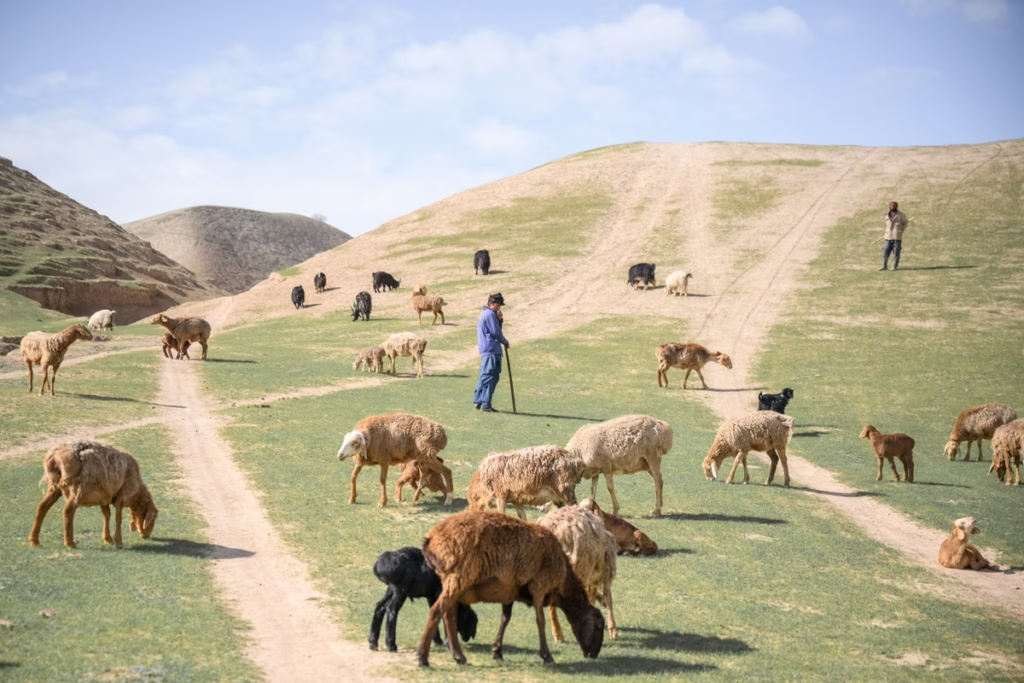
Health risks for these underage brides are severe. Many are expected to conceive as soon as they reach puberty, which poses significant dangers to their development. For 15-year-old Darellah, who was married off to a 30-year-old, the reality of this transition is already clear; she is currently pregnant and living with her husband. Speaking of her experience, she lamented that she is still a child and that early marriage is a decision that denies young girls their formative years. By March, the pasture was already too dry for the season. Leading to well-documented health problems – in a country where maternal mortality is among the highest in the world, underage brides are often expected to have children when they reach puberty.
Inside camps for the displaced, such as Shahrak-e-Sabz near Herat, these tragedies have become common occurrences. Residents report that children frequently succumb to preventable illnesses while families live in absolute squalor. Khomakha, a 30-year-old mother, has also promised her two-year-old daughter, Fatemah, into marriage. The decision was born from a lack of funds to cover even the basic travel costs to medical facilities for her eight-year-old son. As these families wait for a change in their fortunes, many young girls remain trapped in cycles of debt, displacement, and premature adulthood.