US, Ukraine and Russia Resume Trilateral Peace Talks in Abu Dhabi

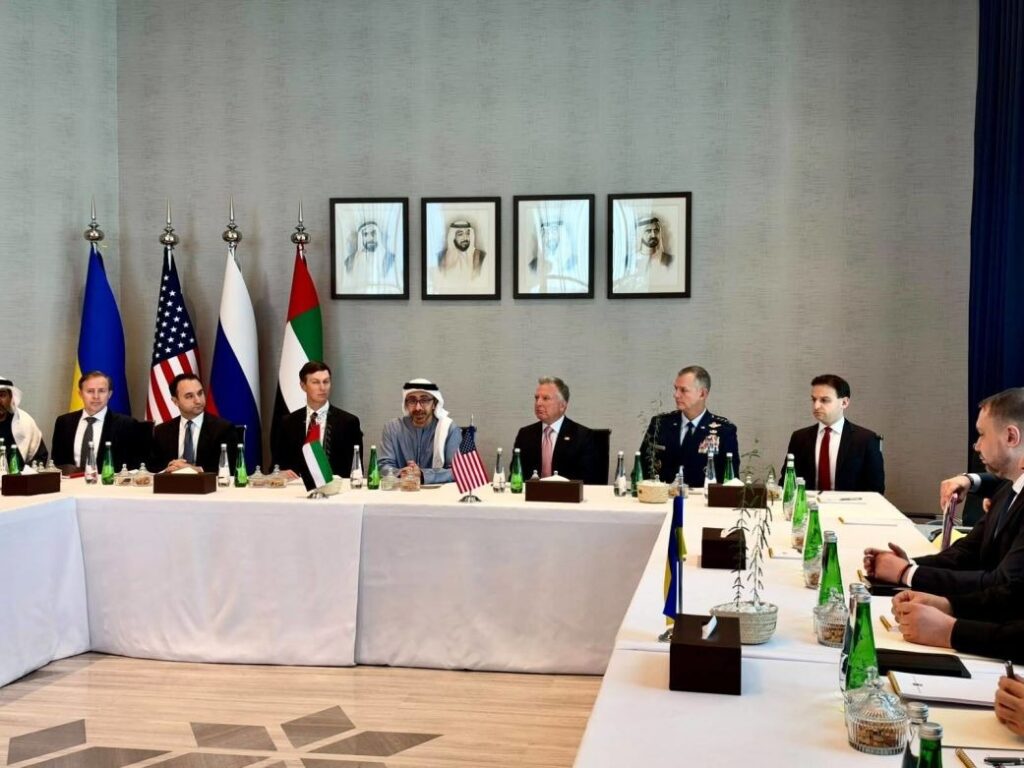
A fresh round of peace negotiations involving the United States, Ukraine, and Russia commenced on Tuesday in Abu Dhabi. This meeting marks the first trilateral effort of its kind since February, occurring as the Trump administration intensifies its campaign to reach a settlement in the nearly five-year war, despite recent controversies surrounding announced concessions to Moscow. According to “The hope today is not only to discuss the bilateral issues between the countries, and how do we end the war and bring some good humanitarian relief, but it’s also how do we create the right security relationships between Ukraine and Russia and Europe,” US President Donald Trump’s son-in-law and US negotiator Jared Kushner, At the outset of Tuesday’s talks. However, many – particularly in Europe – have cast doubt on Moscow’s intentions. The US later postponed a round of trilateral talks that were expected to take place in March due to the war in Iran. According to john Herbst, senior director of the Atlantic Council’s Eurasia Center and a former US ambassador to Ukraine,, Any expectations for the Abu Dhabi talks should be “very modest.”. “They are only taking place because Putin wants to give Trump a reason to continue to distance himself from Ukraine,” Herbst wrote last week. With Russia’s full-scale invasion of Ukraine now in its fifth year and gains on the battlefield remaining difficult to come by, Moscow has escalated its aerial attacks – with deadly results for Ukrainians. Marking one of the deadliest single incidents of the war to date, at least 55 people were killed last Monday when Russia dropped several bombs on a school building used as a shelter and aid center in Zaporizhzhia. With more than 2,700 killed in Russian strikes so far this year, according to ACLED, a global conflict monitor, civilian deaths in Ukraine are at their highest point since the start of the war. Russian attacks on the power grid left more than 600,000 people in the Dnipropetrovsk region without electricity overnight into Sunday, Zelensky said, as temperatures plummet and winter draws in. And continuing a pattern seen in previous years, Russian drones and missiles are already hitting Ukraine’s energy infrastructure, but harder and earlier than in other winters, analysts say. Over the past few months, Russia has deployed faster, jet-powered Shahed drones, which are harder to shoot down. More missiles are slipping through Ukraine’s air defenses as Kyiv grapples with a chronic shortage of US-made Patriot interceptors that are one of the few defensive weapons capable of shooting down ballistic missiles, at the same time. The Trump administration’s relationship with Kyiv has been decidedly more complicated, where the Biden administration positioned the US as Ukraine’s biggest single donor and most powerful ally. While the intelligence and technology support it still provides has come under strain in recent weeks too, it halted financial aid to Ukraine at the beginning of 2025. Including one to supply markets with Russia’s diesel, in a sharp break from the sanctions aimed at punishing and isolating the Russian economy, and pressur, he has shown a willingness to strike business deals with Moscow. In a “60 Minutes” interview that aired Sunday, Trump refused to say whether he trusted Zelensky or Putin more and suggested Ukraine may have to cede some of its territory. In October too, Ukraine’s ability to use Starshield, a military-grade version of Elon Musk’s Starlink service that is critical to its military operations, was hampered when speed limits were imposed on the satellite terminals. Which skyrocketed due to the Iran war and contributed to the Republicans’ landslide defeat in last week’s midterms, undergirding all this recent tension has been Trump’s sensitivity to rising gas prices.
While the Kremlin has insisted the sessions remain strictly trilateral, the meetings have drawn significant attention from international stakeholders. National security advisers from several European countries, along with officials from NATO and the European Union, are present in the UAE to monitor proceedings. These European representatives, including members of the E4 group—the United Kingdom, France, Germany, and Italy—held prior consultations with the Ukrainian and American delegations.
US representatives Jared Kushner and Middle East envoy Steve Witkoff are heading the American effort. The Ukrainian delegation is led by Rustem Umerov, the country’s foreign intelligence chief and top negotiator. Russia’s team, identified by the TASS news agency, includes Deputy Foreign Ministers Sergei Ryabkov and Mikhail Galuzin, alongside Kremlin aide Vladimir Medinsky, military intelligence head Igor Kostyukov, and senior general staff representative Yuri Zhigar.
Kremlin spokesperson Dmitry Peskov maintained that Europe possesses its own diplomatic channels with Washington and Kyiv, reaffirming the format as a trilateral negotiation. However, European nations have increasingly pushed for an active role in shaping the conflict’s resolution and future continental security. This surge in diplomatic activity follows reports that the Trump administration’s proposed security deal for Ukraine might encompass all of Europe, a prospect that has met with both interest and caution.
In a statement released prior to the talks, the Elysée Palace in Paris emphasized that the objectives of securing peace in Ukraine and stability in Europe are fundamentally intertwined. Officials from Ukraine have echoed this sentiment, stating they are working to ensure European partners remain central to the diplomatic process after long-standing concerns regarding US-brokered deals reached without their participation. According to “We are working hand in hand with the Ukrainians, and our objective is to assert a fundamental principle: the pursuit of peace in Ukraine and security in Europe are inextricably linked,” the Elysée Palace in Paris, Tuesday before the talks started.
Despite the high-level attendance, skepticism remains prevalent. Kaja Kallas, the European Union’s foreign policy chief, noted on Monday that there is little evidence of good faith from the Russian side. This sentiment aligns with previous frustrations; earlier this year, President Volodymyr Zelensky reported that February’s Geneva talks failed to address critical political compromises or facilitate the necessary high-level leadership meetings to end the fighting.
The US official confirmed that a potential American security guarantee remains a decision for President Trump. Meanwhile, the negotiating environment remains complex, as previous rounds have concluded without substantive breakthroughs. President Putin continues to press for maximalist demands that Kyiv has previously rejected, and the administration faces ongoing domestic pressure, with President Zelensky looking toward the incoming US Congress for sustained support as a potential “blue wave” begins. Including Russian control over Ukraine’s eastern Donbas region, a reduction in the size of Ukraine’s military and the abandonment of Kyiv’s ambitions to join NATO, putin is still making maximalist demands previously rejected by Kyiv. According to so, as Democrats prepare to take control of Congress, Zelensky has publicly, He hopes the “blue wave” can bolster US support for Ukraine since the party “speaks very clearly about supporting Ukraine and providing ass.
Reflecting on the ongoing coordination, Witkoff posted on social media that participants reaffirmed their commitment to a robust post-war European security architecture, noting that a strong NATO remains the core of collective defense. While the primary negotiations remain trilateral, the broader discussions in Abu Dhabi are focused on humanitarian relief and establishing a framework for a durable peace.