Riyadh Airport Resumes Flights Despite Houthi Security Warnings

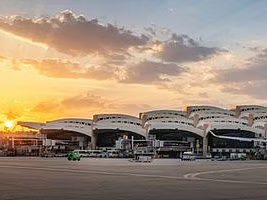
King Khalid International Airport in Riyadh resumed operations on Sunday following a mandatory two-week shutdown triggered by escalating Houthi strikes on the Saudi capital. Flight tracking data confirmed the resumption of activity, with a commercial aircraft departing early Sunday morning bound for the city of Jeddah.
Airport authorities announced on Saturday that terminal operations would be divided, with Terminal 1 handling domestic flights and Terminal 2 facilitating international travel for national carriers. Please be advised that Terminal (1) will be designated for domestic flights and Terminal (2) for international flights operated by national carriers at King Khalid International Airport in Riyadh, effective Sunday, October 25, 2026,” King Khalid International Airport posted on X on Saturday.
The airport’s reopening coincides with a broader uptick in regional hostilities following the breakdown of a long-standing truce earlier this summer. Saudi Arabia, along with Yemen’s internationally recognised government that it backs, has faced a wave of Houthi attacks in recent weeks after a years-long truce broke down in the summer.
The situation remains volatile, as Houthi military spokesman Yahya Saree issued a formal warning to airlines, staff, and passengers, declaring the airport an unsafe military target. Saree stated that the Yemeni Armed Forces would hold the Saudi regime responsible for the consequences of any flight operations conducted at the site.
The threat follows a particularly deadly incident earlier this month, when a Houthi strike on the airport resulted in 13 deaths and left more than 300 individuals wounded. It remains the most severe attack within the kingdom in over a decade.
As tensions persist, the Saudi-led military coalition confirmed it successfully intercepted and destroyed two drones in the vicinity of Riyadh early Sunday morning. These events occur as the conflict continues to shape the wider regional tensions between the United States and Iran, while simultaneously worsening the humanitarian crisis in Yemen. One of the world’s poorest countries, the fighting has shifted the focus of the wider US-Iran war and deepened a humanitarian disaster crippling Yemen. Military strain: CENTCOM, iran faces cash shortages.
The current instability has also drawn international scrutiny regarding potential military escalations. Reports indicate that U.S. leadership has been weighing options for supporting Saudi strikes against the Houthis, even as officials rule out direct intervention against Iran prior to the upcoming American midterm elections.