Growing NHS Reliance on Charities Raises Patient Equality Concerns

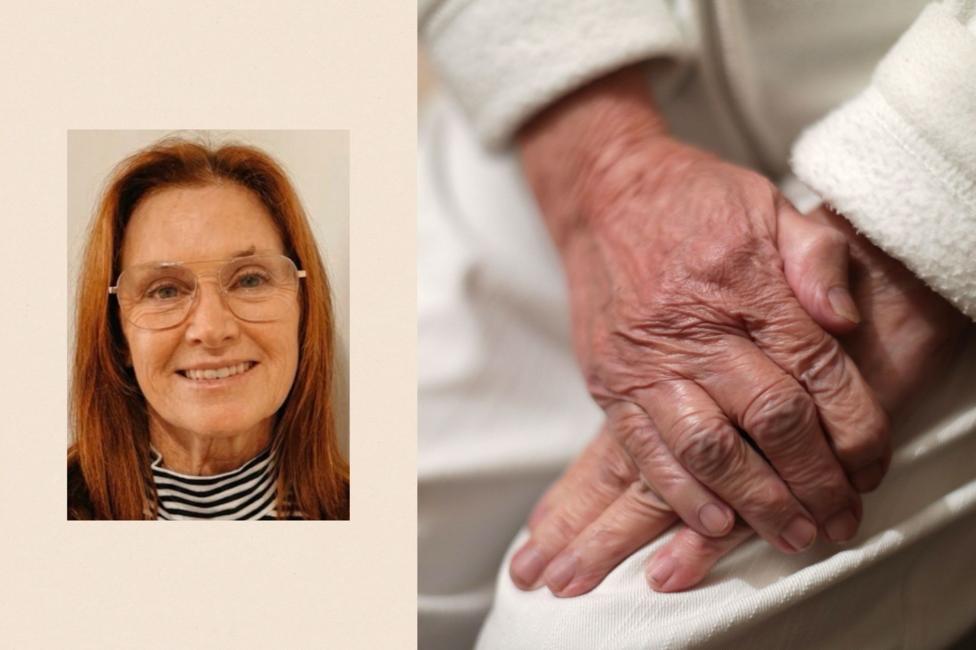
A dementia specialist nurse, Louise Burns, recently assisted a man struggling to manage his elderly mother’s care, providing support through a virtual clinic. These clinics, which support over 100 patients and family members weekly, were established during the Covid-19 pandemic to address surging demand. While such services were traditionally the domain of the National Health Service, they are now frequently operated by charities. We try to help,” she says, she is part of a team running virtual clinics that support more than 100 patients and family members a week: “No matter what stage they are at. She explained the discharge process and where to go for help. Dementia UK is just one of many charities working in the health sphere. In her clinic, Louise Burns (left) helps patients who may be struggling with a recent diagnosis or who have noticed worrying symptoms. Those directly providing services say they are having to subsidise squeezed NHS budgets. The creation of the NHS transformed this model. For example, over the past three decades, Dementia UK has developed a well-established network of specialist dementia nurses known as Admiral Nurses, who work in a range of hospital and community settings. The charity WellChild has helped establish a network of 54 specialist nurses who work with very sick children.
Dementia UK’s chief nursing officer, Paul Edwards, describes the organization’s work as an effort to bridge gaps within an increasingly strained health service. Burns notes that because both the NHS and social care systems are under immense pressure, access to necessary support is becoming harder for patients to navigate.
Charities have become integral to the modern health landscape, operating across sectors from mental health to children’s care and oncology. While some organizations hold formal NHS contracts, others function alongside the health service to provide supplementary assistance. This shift reflects a strategic push since the 1990s by various governments to foster a competitive market involving the public, private, and voluntary sectors.
Economic data highlights the scale of this involvement: cancer charities alone generate over £1bn annually, while the NHS in England spends nearly £2bn per year procuring services from the not-for-profit and voluntary sectors. However, this trend has sparked debate regarding the extent to which the state should rely on charity for frontline service delivery. The Royal Marsden and Great Ormond Street charities between them are responsible for nearly a sixth of the investment made by NHS charities.
Critics, including those within the voluntary sector, warn that this dependence creates significant regional and condition-based inequalities.
Helen Gilburt of the King’s Fund think tank observes that while charities provide expertise and community ties, their involvement often functions as a subsidy for a system seeking cost savings.
She points out that areas like cancer receive substantial funding, whereas other conditions such as Parkinson’s and dementia rely on charities that are forced to invest their own limited funds into specialist roles, which often proves insufficient. But they did not disappear completely – they could still receive gifts and donations. They were raising substantial sums for equipment, buildings, research, and the likes of play areas in children’s wards and well-equipped staff rooms, by the 1990s and beyond. Yes we pay taxes but that has to cover lots â and it’s finite.
Meanwhile, sectors like sickle cell disease face even smaller charitable presence and funding.
The role of charities in UK healthcare is not unprecedented. Prior to 1948, the system relied on a patchwork of voluntary organizations and local authorities. The NHS was created to shift this, centralizing care under public ownership funded by taxation. However, the Health Services Act 1980 encouraged a culture of fundraising, eventually leading to a significant expansion of NHS-affiliated charities. NHS founder Aneurin Bevan believed healthcare should not depend on charity, and restrictions were placed on NHS hospital charities actively raising money. Why not, if our fund-raising means a parent of an ill child can stay close to their child while they are in hospital in a room funded by a charity.
Today, more than 220 NHS charities exist, attached to specific hospitals or community services and raising approximately £620m annually. Ellie Orton, chief executive of NHS Charities Together, argues that while this figure is significant, it represents only about 0.3% of the total health budget. She contends that these charities are meant to provide enhancements rather than replace core services, funding items such as CPR training or specialized equipment. We shouldn’t get too ideological about this. Before responsibility for funding is expected to transfer to the NHS, it funds these posts for the first three years.
The line between supplementary aid and core funding remains contentious, particularly as charities have financed vital infrastructure like blood transfusion equipment and scanners. Orton suggests that the system must evolve, noting that the government is increasingly interested in the potential of large philanthropic donations, such as the £10m provided by XTX Markets during the pandemic or the £5m donation from the Rausing family. Similarly, high-profile fundraising, including the £6.8m raised by Sir Kevin Sinfield for a motor neurone disease center at Leeds Teaching Hospitals, highlights the reliance on individual generosity. From then on, NHS charities expanded significantly and became increasingly professionalised. According to and she, Her discussions with the government suggest that there is increasing interest in what charities can raise and also what larger philanthropic donations by individuals or organisations can achieve. Rugby league legend Sir Kevin Sinfield’s fundraising in support of his friend Rob Burrow helped bring in £6.8m for a specialist motor neurone disease centre at Leeds Teaching Hospitals. According to of course, we are not talking about going back to a pre-1948 situation, but there is real interest in what such philanthropy can do,”, Orton.
Despite these successes, the lack of a level playing field remains a primary concern. Large London hospitals and major specialist centers dominate the charitable landscape, often leaving other areas underserved. Orton acknowledges this issue, stating that the focus should be on helping smaller NHS charities enhance their fundraising capacity to ensure more equitable support across the board.