Trump Says Further US Military Strikes on Iran Are Highly Unlikely

US President Donald Trump has stated that further military strikes on Iran are “highly unlikely,” asserting that “Iran militarily is effectively over” and highlighting “positive momentum” surrounding talks to end the regional conflict. Speaking from the White House press briefing room on Monday, Trump noted that the United States is currently maintaining the “status quo” largely at the request of neighbouring countries, though he emphasized that American forces remain “locked and loaded” should conditions change.
Addressing questions about why he has not officially declared an end to the war, Trump pointed to lingering threats facing Washington’s regional partners. “We have some great allies there and we have to make sure they’re not hurt,” he said, adding that the ongoing US naval blockade on Iranian ports is actively enhancing safety across the region.
While Trump has previously described the conflict as being over in a military sense, his latest statements arrive under altered political circumstances. The president has hinted at de-escalation following severe midterm election losses for Republicans last week, an outcome that senior figures, including Vice-President JD Vance, attributed directly to the war in Iran.
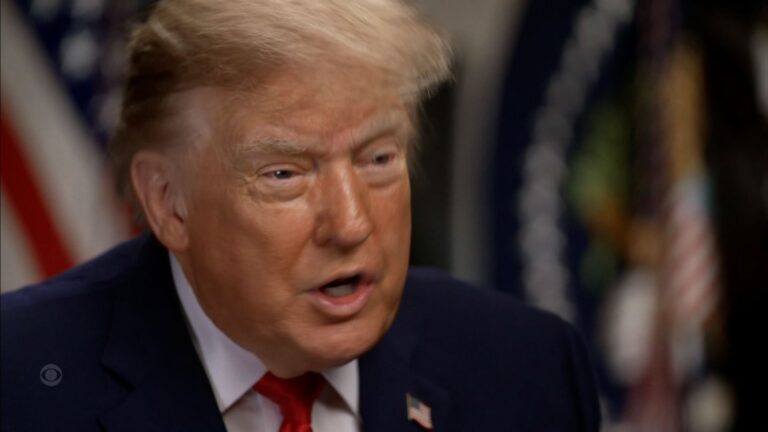
Prior to the midterms, Trump reported that US forces conducted what he termed “minor strikes” on an Iranian island located in the Strait of Hormuz. However, during an interview on 60 Minutes aired Sunday, the president remarked that he saw no present justification to escalate military actions.
Tehran officials have consistently expressed skepticism regarding Trump’s previous assertions about concluding the conflict. Regional peace negotiations between Washington and Tehran have been conducted primarily through indirect intermediaries since hostilites broke out after joint US-Israeli strikes in February. Key American allies in the Gulf—including Saudi Arabia, Qatar, and the United Arab Emirates—have endured Iranian strikes during the war, alongside persistent threats that have severely disrupted regional air travel.
Diplomatic activity continued at the White House on Monday as Trump met with Qatari Prime Minister Sheikh Mohammed bin Abdul Rahman Al Thani in the Oval Office, describing their meeting as an “excellent conversation” regarding peace negotiations. In a subsequent post on X, the Qatari prime minister confirmed he held “positive discussions” with Trump and Vance aimed at securing a deal and restoring regional stability.
Financial markets reacted immediately to the shift in rhetoric. Global oil prices, which had already declined significantly following the US midterm elections, extended their losses after the president’s briefing. By Tuesday afternoon in Asia, Brent crude dropped over 1% to $91.50 (£52) a barrel, while US-traded crude fell 1.2% to $85.82.
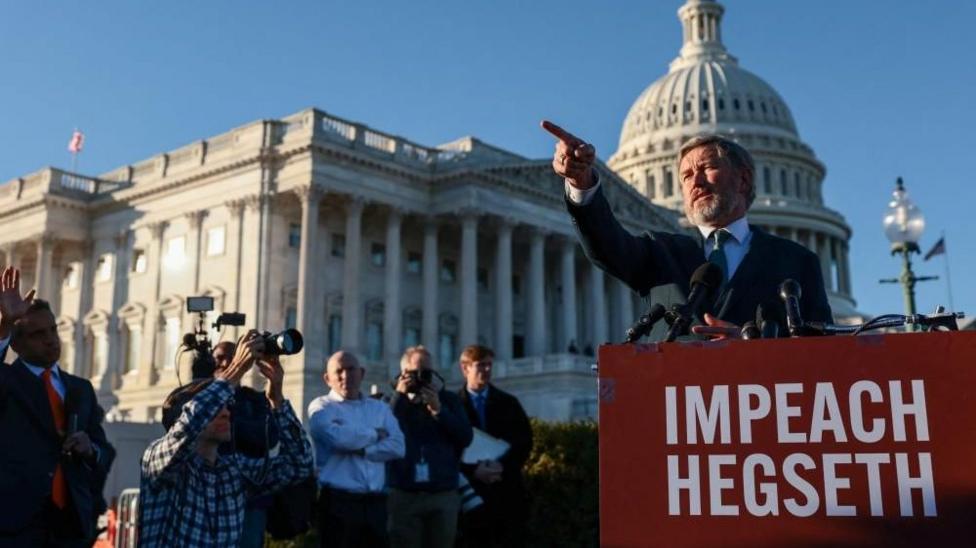
Meanwhile, post-election fallout over the conflict is generating intense political strain within the administration. On Monday, Republican Congressman Thomas Massie launched a sharp critique against Defence Secretary Pete Hegseth, announcing plans to force a vote in the House of Representatives this week to impeach the defense chief over his handling of the war.
Trump has publicly defended his defense chief. For his part, Hegseth declared he is “not worried” about the impending action, dismissing Massie’s impeachment initiative as a “sham.” Although the resolution is unlikely to pass while Republicans retain their majority until January, Democrats have indicated they intend to pursue Hegseth’s impeachment once the new congressional session begins under their control of both the House and the Senate.