Trump Declares Intent to End Annual US Aid to Israel

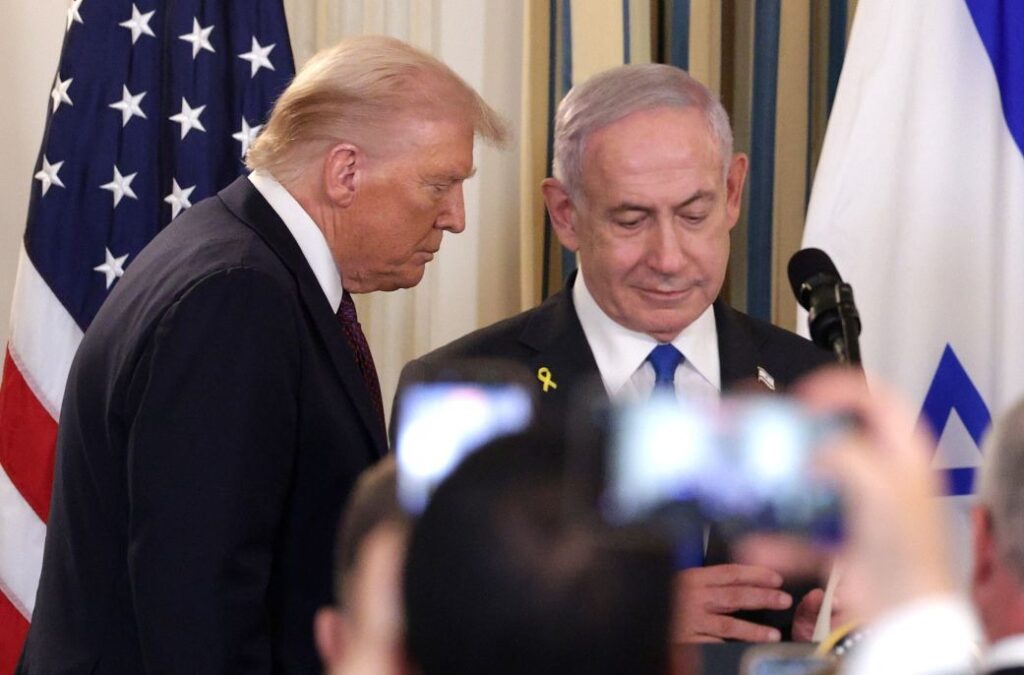
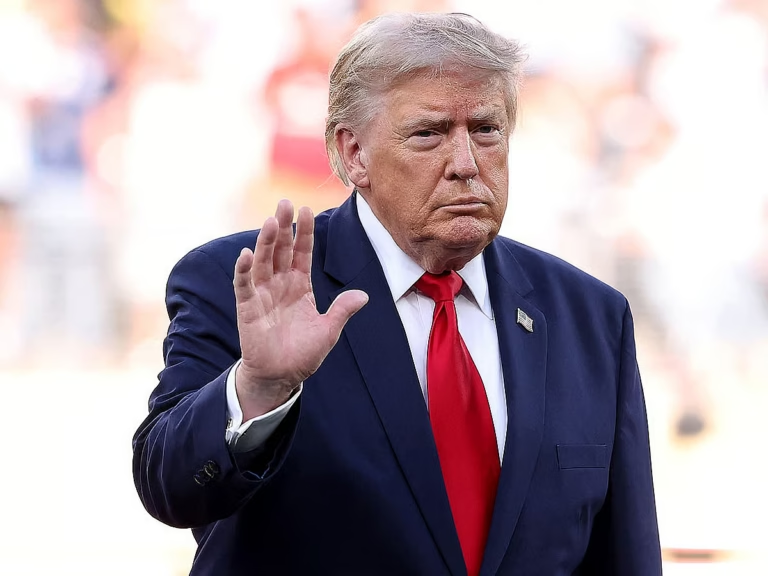
President Donald Trump, often viewed as the most pro-Israel leader in modern American history, surprised observers on Election Day by announcing that the United States would discontinue its nearly $4 billion in annual aid to Israel. The declaration, made during an interview on Fox News, lacked specific implementation details, leaving analysts and political observers to debate whether the statement represents a sudden shift in policy or a distraction tactic. The political dynamic in the US is also impossible to ignore. To create news around himself and to distract, trump loves to shock. He certainly seemed to surprise the Fox anchors.
The announcement underscores a potential fissure in the bipartisan consensus that has long defined Washington’s relationship with Israel. Trump characterized the move as a mutually understood arrangement, stating, “I have made a deal that we give Israel $4 billion a year, and we made a deal months ago that we’re stopping. They’re fine with it because, you know, they’ve become a very successful country.” He further suggested the US would assist Israel if absolutely necessary but reaffirmed that by the end of this year, direct payments would cease. It could end up being less seismic in practice than the shock announcement might suggest.
This funding refers to the annual military assistance package established under a 2016 agreement with the Obama administration, which is slated to remain in effect through 2028. Israeli Prime Minister Benjamin Netanyahu previously told The Economist in January that he intended to “taper off” US military aid over a decade, indicating that such a transition was “in the works.” The majority of these funds are typically spent on weaponry and hardware produced by US defense manufacturers, highlighting the domestic economic implications of any potential funding freeze. Still, Trump’s move was yet another intriguing twist in his relationship with Israeli Prime Minister Benjamin Netanyahu — his partner in the Iran war, which threatens GOP hopes in Tuesday’s midterm elections. Netanyahu told the Economist in January he wanted to “taper off” US military aid to Israeli within 10 years and that the shift was “in the works.”. When the Biden administration staged massive air and naval defensive operations to repel Iranian cruise missile and drone attacks in 2024, that was the case even before the Iran war — for instance.
The political timing of Trump’s remarks is significant, occurring as voters head to the polls for midterms. Brett McGurk, a veteran foreign policy official and author of “Brink,” advised against over-interpreting the comments immediately. “I wouldn’t overstate the significance,” McGurk stated, noting uncertainty regarding whether Trump intends to terminate the memorandum of understanding immediately or wait until its scheduled 2028 expiration. “Whether he’s talking about, we’re going to end the MOU when it ends in 2028, or we’re going to stop it right now, I don’t know,” added McGurk, a global affairs analyst and author of the new book “Brink” about his role negotiating hostage releases in the Gaza crisis.
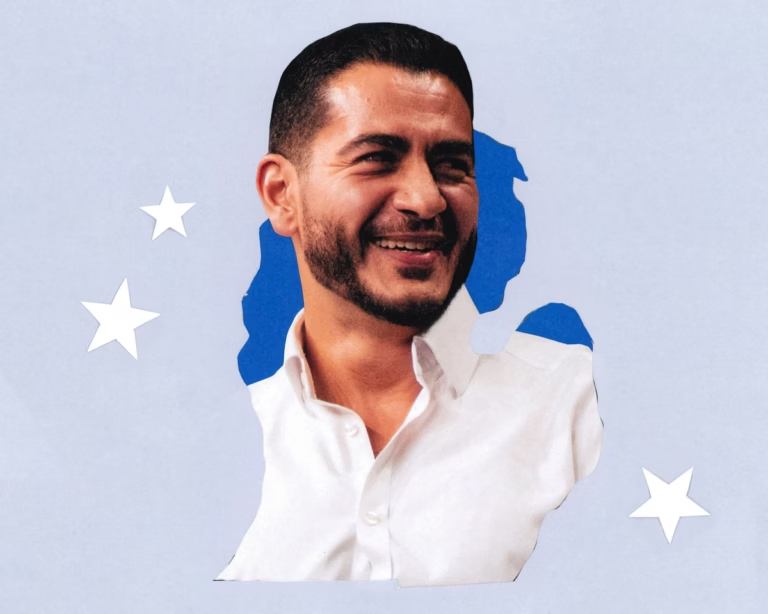
Trump’s rhetoric appeared partly aimed at critics who argue that US foreign spending should be curtailed. During his appearance on Fox and Friends, he criticized the logic of current aid policies, stating, “Why should we suffer the slings from lunatics like an El-Sayed when they don’t need it? It’s a bad talking point because you’d say, ‘Why don’t we give everybody $4 billion?'” He was referencing Michigan Democrat Abdul El-Sayed, who has frequently challenged unconditional support for Israel, arguing that domestic economic pressures in the US must be prioritized. In a sense, Trump seems to be conceding a point to Democrats such as Michigan Sen. Abdul El-Sayed in implying that aid to Israel is becoming politically unsustainable in US politics. Whom he’s subjected to a torrent of anti-Muslim rhetoric, it was extraordinary to hear him apparently reacting to opposition to US aid to Israel from Democrats like El-Sayed. Others, however, argue that critiques of Israel’s government too often cross over into antisemitism — a charge candidates like El-Sayed deny. Ending US aid to Israel would speak to Trump’s “America First” instincts and hostility to the use of American wealth to support foreign nations. Given ballooning national debt in his two terms, his argument that he’d use unspent cash to pay down the deficit is less convincing.
The shift has been met with varied reactions across the political spectrum. Some progressives viewed the statement as a potential validation of their long-standing calls for policy revisions, with El-Sayed remarking, “Even a broken clock can be right twice a day.” Conversely, the remarks arrive amid growing evidence of changing public sentiment; a June Quinnipiac poll found that 48% of respondents believed the US is already too supportive of Israel, the highest level of such sentiment recorded since 2017. According to in a Quinnipiac poll published in June, 48% of respondents, The US is too supportive of Israel; 38% said US support was about right; and only 7% said the US was not supportive enough.
As the geopolitical landscape faces potential changes, questions remain regarding the future of US-Israel military cooperation and the impact of this stance on Republican strategy. With Netanyahu having navigated multiple US administrations by aligning with GOP leadership, any uncertainty regarding congressional majorities for future arms sales creates a complex new reality for Middle East policy. For now, the administration’s exact roadmap for ending these payments remains undefined, leaving the ultimate impact on the bilateral relationship unclear. With Israel in political limbo after there was no clear winner in last week’s election and uncertainty over Netanyahu’s future, and it comes at a critical political moment. And it goes beyond the question of how a new Democratic House or Senate would handle the issue after Tuesday’s midterms. The announcement points to an uncertain new era for Israel: Netanyahu has been aligned with Republicans in Washington through several administrations, but there has been significant domestic backlash to Netanyahu’s response in Gaza to the October 7, 2023, Hamas terror attacks, not only among. And the militaries of the allies have recently worked together more closely than ever, the nexus between US arms manufacturers and Israel is expected to remain strong. Who then endorsed his GOP rival, Mike Rogers, the Israel issue caused a weekend clash between El-Sayed and his former Democratic primary foe Haley Stevens. Stevens objected to an ad by a left-wing influencer featuring a couple in a supermarket blaming higher prices on Israel.