Prime Minister Burnham Considers Slavery Apology While Rejecting Reparations

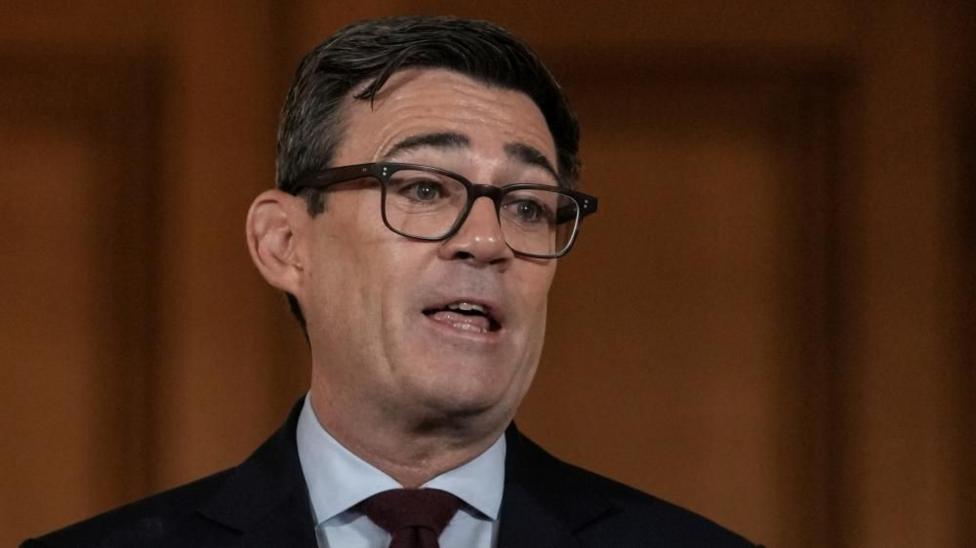
Prime Minister Andy Burnham has indicated he is open to the possibility of the United Kingdom issuing a formal apology for its historical role in the transatlantic slave trade. While the Prime Minister expressed a willingness to listen to calls for such an apology, he has firmly ruled out the consideration of financial reparations for the practice. And has stopped short of offering any consideration of reparation payments, burnham has stuck with the policy of his predecessors.
The announcement precedes a Commonwealth leaders’ summit in the Caribbean next week, which Burnham is scheduled to attend. The issue has gained renewed urgency as Caribbean nations seek redress for the legacy of slavery alongside King Charles III’s ongoing tour of the region. According to he, Commonwealth countries had for years been asking for an “honest conversation”. Only this week, President Vladimir Putin hosted a Russia-Africa summit in Moscow.
Describing the historical trafficking of Africans to the Americas as a “brutal and barbaric violation,” Burnham stated that Britain must “face up to the past.” He emphasized his intent to foster a “structured dialogue” with those affected by the trade, adding that formal apologies would be a significant part of this engagement process.
However, the Prime Minister maintained a hard stance against financial compensation. In an article for the Guardian, he wrote that he does not believe current British citizens can be held liable for historical wrongs that occurred under different laws and in an era in which they played no personal part. Saying they were “not the right answer”, he dismissed the idea of paying financial reparations. The British government has never formally apologised for slavery or offered to pay reparations.
Downing Street views these efforts as part of a strategy to strengthen the Commonwealth against growing geopolitical influence from China and Russia. A government source noted that the Prime Minister’s approach is considered the morally correct path for the UK to take.
The response to the Prime Minister’s position has been varied. Mia Mottley, the Prime Minister of Barbados, welcomed the statement and confirmed she would engage in the process in good faith while continuing to pursue the goal of reparatory justice.
Conversely, Denis O’Brien, the founder of The Repair Campaign, expressed disappointment with the remarks. He argued that the government is attempting to obfuscate the issue and urged for a full, formal apology, which he characterized as a necessary symbolic step toward justice.
Historical records show that the monarchy and English authorities were active participants in the slave trade beginning in the 16th century. While Britain eventually played a central role in abolishing the practice via an 1833 parliamentary act, the process was controversial; under that legislation, the government paid compensation to former plantation owners for their loss of property. Through Parliament’s passage of a law to abolish slavery in 1833, britain had a key role in ending the trade.
The financial impact of that abolition effort persisted for nearly two centuries, with the UK only finishing the repayment of the debt incurred for those historical payouts in 2015.