


Iran stands by proposal to reopen Strait of Hormuz
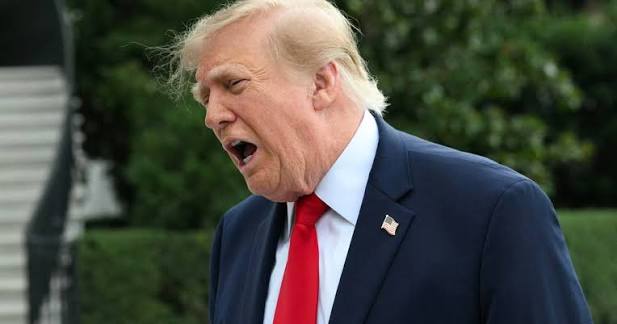
Iran on Sunday insisted on its conditions for reopening the Strait of Hormuz, despite President Trump’s rejection of the proposal.
Iran’s plan called for a cessation of all hostilities in the Middle East, including in Lebanon, according to Foreign Minister Abbas Araghchi, and fulfilling conditions in the ceasefire deal that fell apart months ago.
Araghchi said on Sunday that the Iranians “saw the first reaction from the U.S. president, but so far, nothing has been conveyed to us by the mediators”.
“We are waiting for the mediators to convey the definitive positions to us, and we will make a decision based on them,” the foreign minister added.
Bessent says U.S. has been successful in isolating Iran’s economy
Treasury Secretary Scott Bessent said Saturday that he had sent envoys around the world to pressure countries to economically isolate Iran, hailing new restrictions targeting the country’s airlines and banks.
“At my direction, teams were dispatched across the globe to engage with countries and demand action against the Iranian regime,” Bessent said on X. “These efforts are delivering results.”
Bessent noted that Turkey and Oman have halted incoming flights from private carrier Mahan Air, while the United Arab Emirates has stopped all flights by Iranian airlines.
Dubai, the UAE’s commercial hub, is a major destination for Iran’s carriers, with multiple daily flights, a large Iranian community and close business links.
Bessent also highlighted new banking restrictions.
On Wednesday, the UAE central bank blocked transactions to and from Iran by branches of Iran’s Bank Melli, accusing it of violating laws on money laundering, terrorism and arms proliferation.
Last week, Turkey revoked the license of Iran’s Bank Mellat, a semi-private financial entity that has been subject to Western sanctions for years.
Last month, Bessent announced what he called Operation Economic Outcast, a plan designed to use economic pressure on Iran to reopen the Strait of Hormuz and end the war.
The operation expanded the categories for secondary sanctions on entities and countries that transact with Tehran, and also introduced new sanctions across a variety of sectors, including digital assets, gold, aviation, technology and shipping.
Bessent said at the time that any entity that facilitates money laundering on behalf of Iran “will be removed from the U.S. dollar system.”
Oman calls for self-restraint, dialogue in Middle East conflict
Omani Foreign Minister Badr Albusaidi called at the United Nations Saturday for “self-restraint” from all sides in the Middle East war, while stressing that Muscat was ready to mediate.
“We call upon all parties concerned to settle their outstanding disputes through pursuing a policy of self-restraint and foresight, and through engaging in dialog to reach consensual, political solutions and sustainable understandings for the benefit of all,” Albusaidi said, addressing world leaders gathered in New York.
“Oman once again reaffirms its steadfast commitment to continuing its efforts aimed at safeguarding navigation in the Strait of Hormuz … We also call upon all parties to cooperate with Oman in these efforts.”
Oman sits across the Strait of Hormuz from Iran, and ships seeking to skirt Tehran’s restrictions have recently been taking a route that hugs the Omani coast.
Have any thoughts?
Share your reaction or leave a quick response — we’d love to hear what you think!
-
 0
0
-
 0
0
-
 0
0
-
 0
0
-
 0
0
-
 0
0